Remember last week when I asked you what discipline you wanted to do the most, and to choose the bike accordingly? Well, now it’s time to choose a bike! I’ll start by covering the online purchase experience, and move on to buying from a bike shop, and even buying used if that’s something you’re interested in. (Hit the like button or comment down below so I know you want to buy used 😉)
Let’s start online, as you’ll probably want to start here whether you’re buying new or used.
When you first get onto a bike website chances are it will look something like this 👇🏻. Just apply the filters I am about to cover and you should find a bike pretty quick.
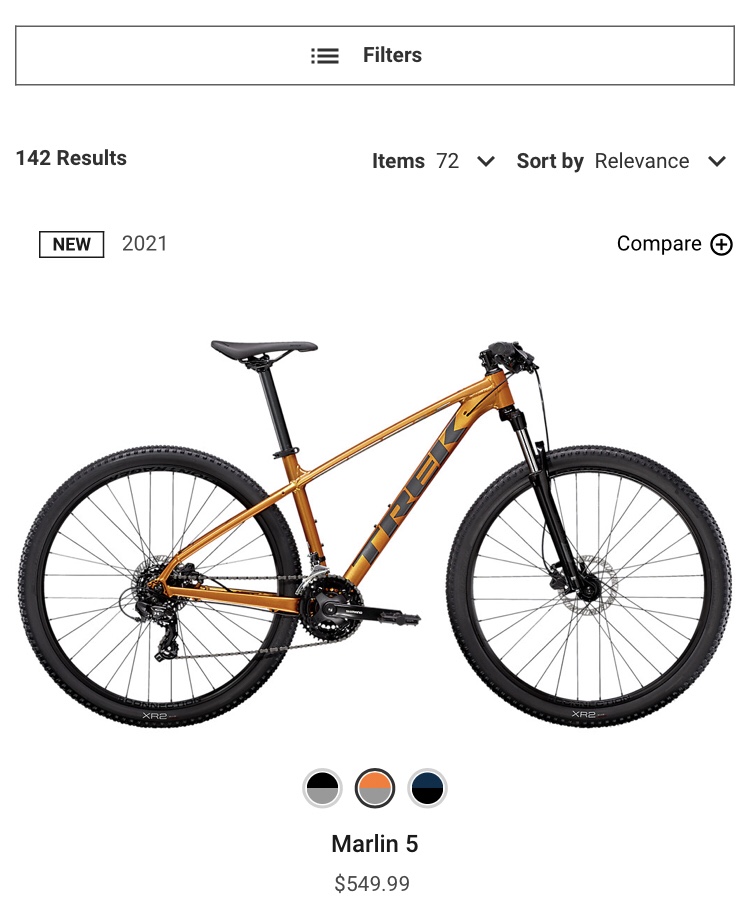
Start by choosing a price range. Ideally, you want to have something flexible, but I know that a lot of you reading this probably don’t have thousands of dollars to drop into MTB just to try it out. So for this example, I will use a $500-$1,000 range. This should be enough for some really good beginner bikes.
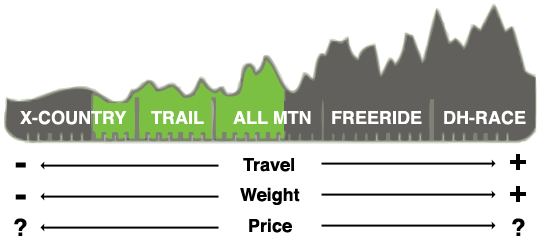
After that choose the discipline you’ll enjoy riding the most. I’ll choose ”trail” as an example.
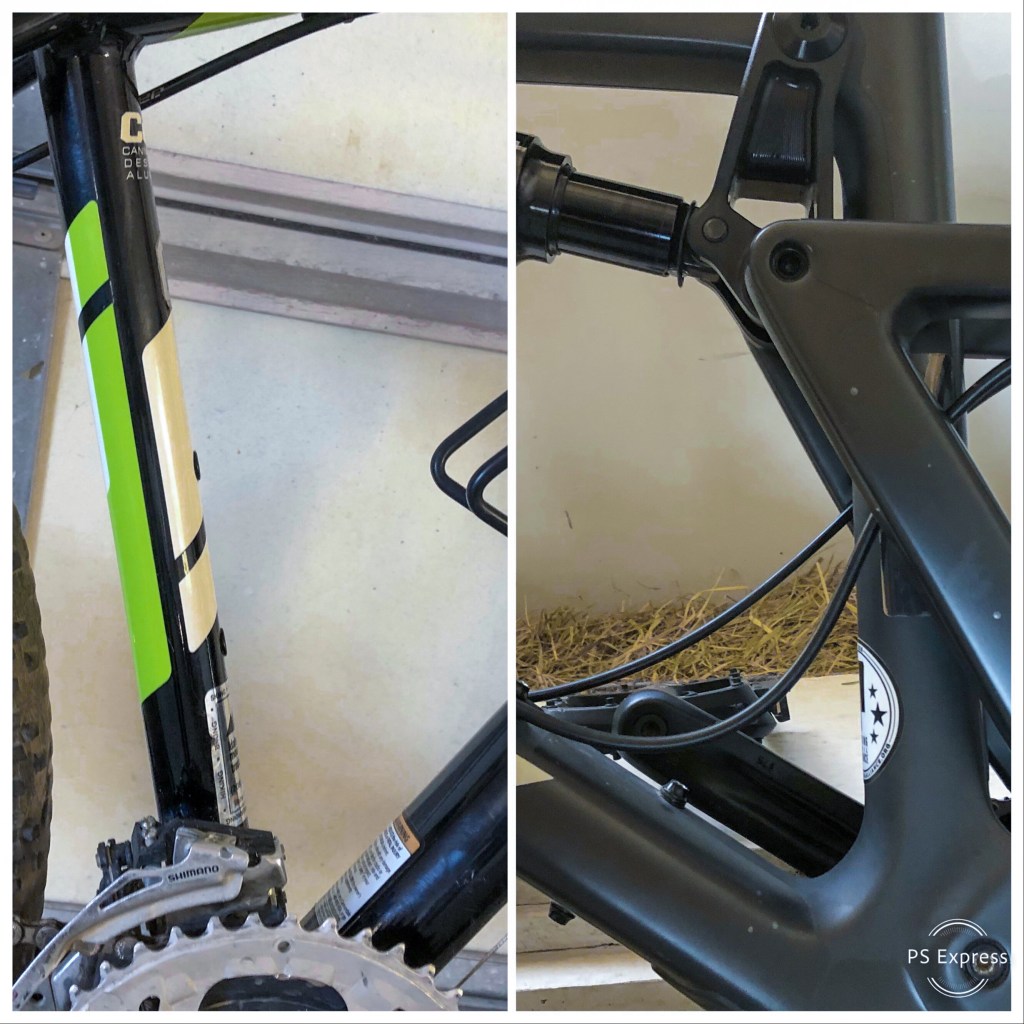
Next, decide whether to get a hardtail or a full suspension. For anyone who wants to get serious about MTB and learn intermediate and advanced skills such as bunnyhops and jumps—or just learn to ride good and fast—I would choose a hardtail. If you just want to be comfortable and don’t care about getting fast anytime soon I would choose a full suspension. Unless however, you’re getting a Downhill bike, in which case you might already know how to properly jump and bunnyhop.
For this example, I will choose a hardtail for a couple of reasons.
- It’s lighter, so the climbs up the hill won’t use as much energy.
- It’s less expensive and simpler to maintain because you don’t have
- Suspension shock
- Linkage to make the suspension work.
- you don’t have suspension that will soak up your energy up the hill.
- The audience I’m targeting with this series are generally people who want to go fast.
Some brands may have special features that could prove useful on the trail, or in the shop. These are also good things to bring into consideration when choosing a bike.
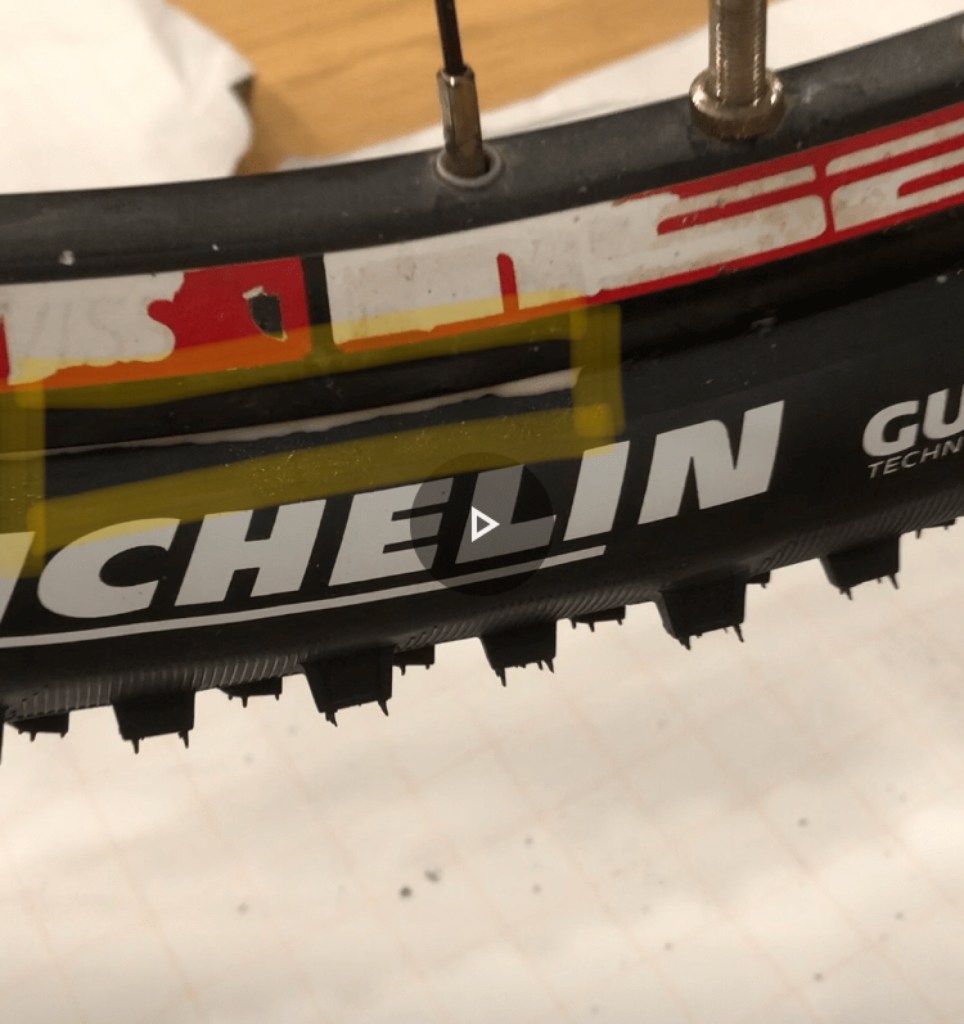
The first one is tubeless. Tubeless setup is exactly what it sounds like. It used no tubes. Instead, it uses special tires and wheels so that will hold the tire on better without the tubes. All you do is put tire sealant inside the tire and it will seal most any puncture you get on the trail. Basically, it’s a fluid that spins around in your tires, and when you get a hole, it fills it up. But it’s also designed to react to air (not the stuff in your tire) and solidify into a rubber. The advantage other than this is that you can run lower tire pressures, which gives more grip, and lower rolling resistance = you go faster. Just make sure that the tires are meant for this (tubeless ready) or end up with a situation like above. ☝🏻
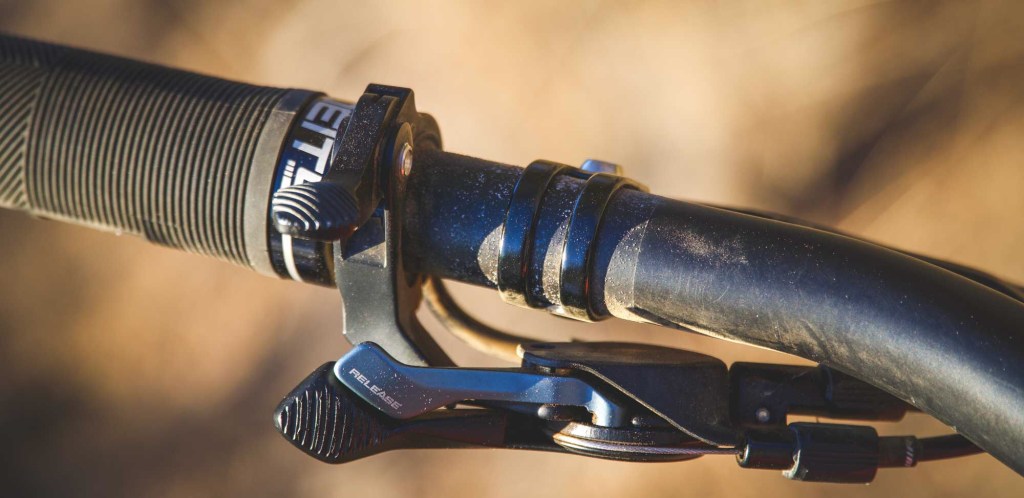
One of the things that could prove useful when you’re riding is a remote lockout. Basically, this means that you make the suspension harder and more difficult to squish. This is good for long smooth climbs like a fire road or pavement because the power you put in through the pedals will propel you forward, rather than down. Trek has some bikes with a twist grip lockout, and Scott has a twinloc system. So you can make the suspension kind of squishy that way it goes up the hill fast, but it still moves when you hit a bump, making for excellent traction.
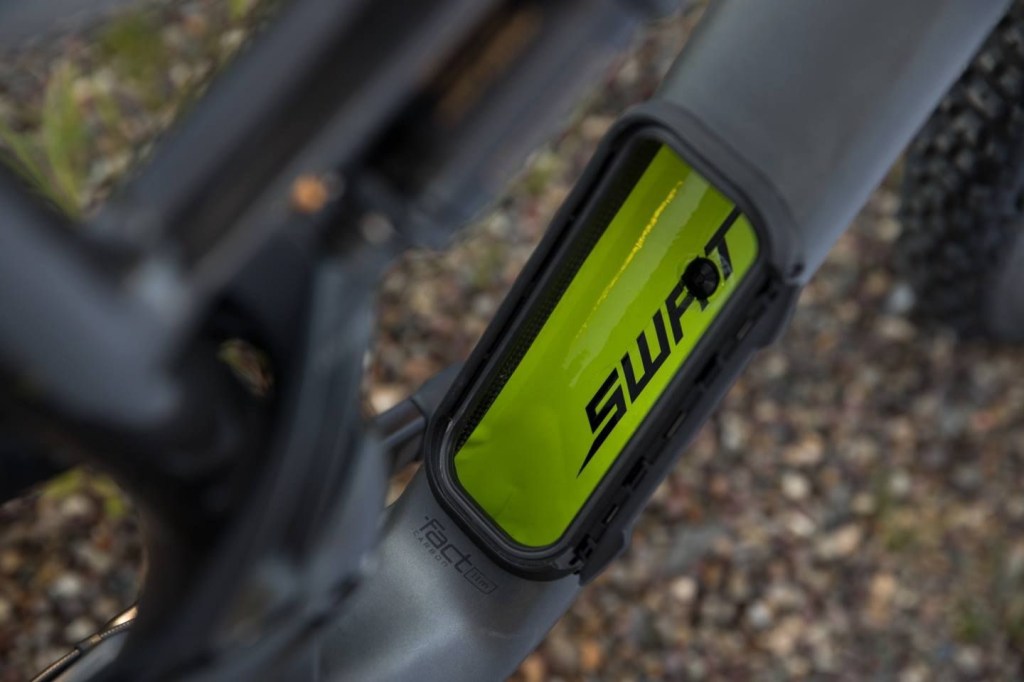
Another feature from Trek, specialized, and other brands is internal frame storage. Both sides are blocked off so you have an enclosed compartment to carry tools and snacks in when you put the lid on. And yes, these bikes won’t break under your weight. They have undergone serious testing to ensure your safety on the trail.
You may find more special features that I won’t cover here because the list could get extensive and unnecessary.
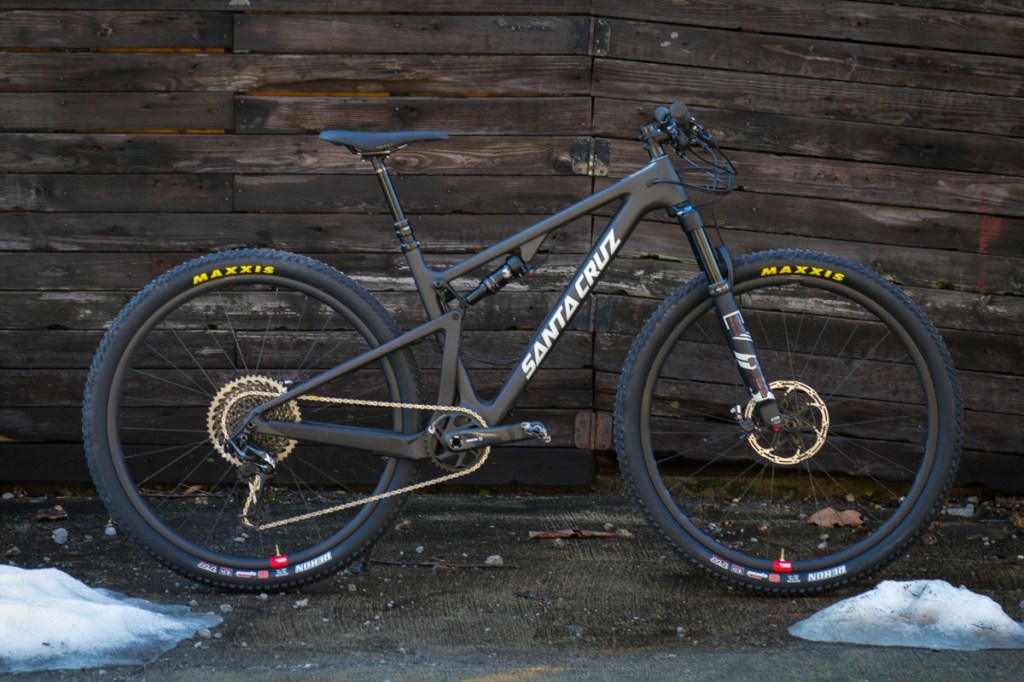
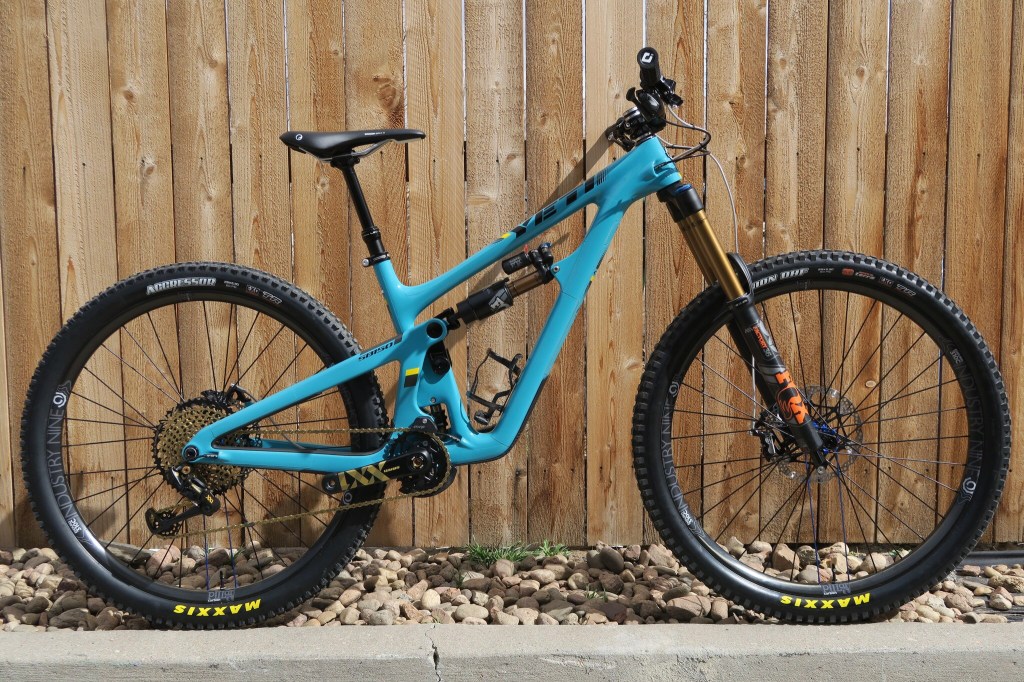
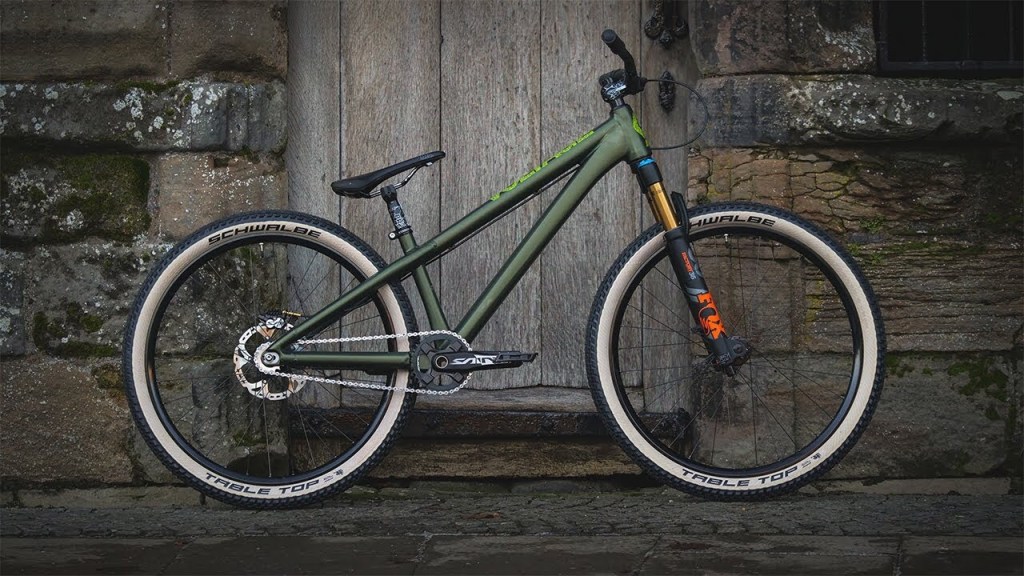
Spend some time looking at different bikes from different brands online that match the filters you chose, and narrow it down to just a few. I’ve chosen the three bikes below.
I have chosen each bike for good reasons, and I’ll explain them to you. starting with the trek.
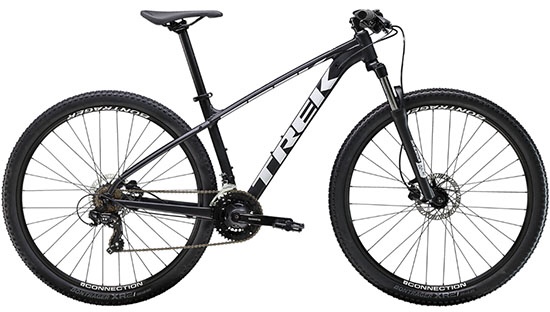
The Trek Marlin 5 is super affordable. It’s one of the cheapest bikes you can find that you could start riding on. Personally, I would get a bike that is pricier than the Marlin because of a few reasons.
- Something that is more expensive can be expected to follow more modern standards, making it easier to repair and upgrade parts.
- A more expensive bike can be expected to be more robust and better built, which means I can sell it later and use the money to get my next bike.
- Something that costs more comes with better parts to start, such as a 1x (pronounced one by) drivetrain, which is more reliable than a 2x or 3x.
The only pro about something this cheap is that it’s this cheap. I’m sorry, but try and aim a little higher if you can.
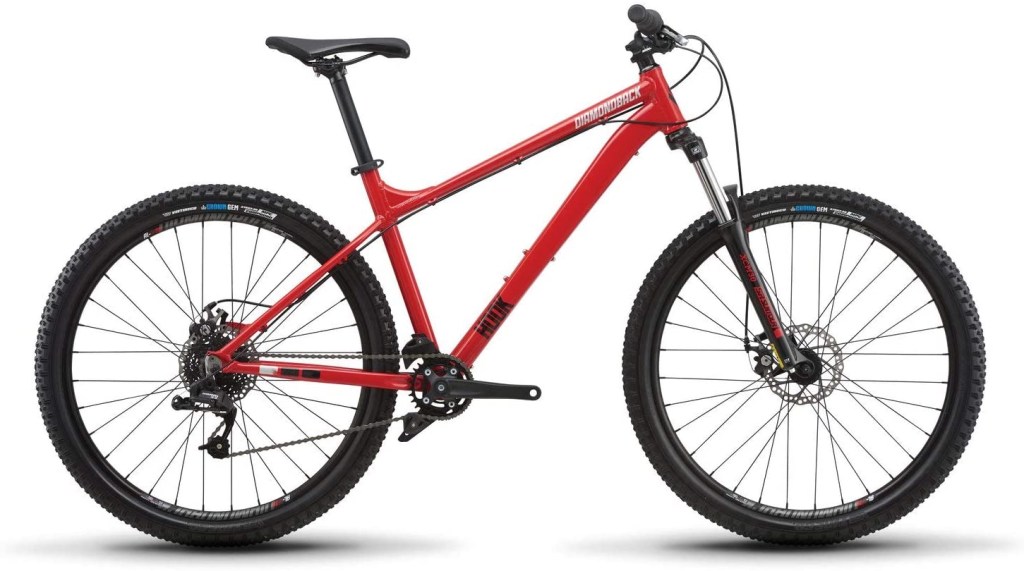
Next up is the diamondback hook. This bike is right in the middle of the price range I was aiming for. I might choose this bike for a few reasons.
- As I mentioned above, it has better parts because of the price.
- The “geometry” (the angles of the bike frame) is more modern and will be better for downhill riding.
- It also has what’s called a chain guide, to help keep the chain from falling off the front. This means you can take it on very rough trails and the chain likely won’t ever come off.
One of the only problems with this bike is the coil suspension. It likely won’t be very comfy and isn’t adjustable.
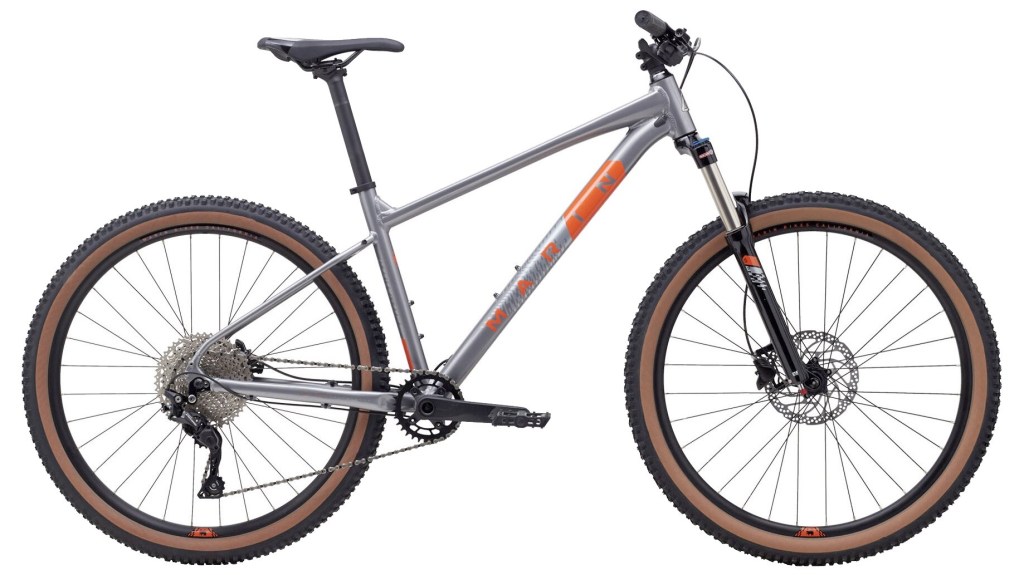
Lastly, we have the Kona Mahuna. It’s the highest quality of the three for a few reasons.
- It’s ready to convert to tubeless.
- It has air suspension.
- It has good grippy tires.
- It has a 1×11 drivetrain (1 gear in the front, 11 in the back)
- It has a clean design.
- It has tan sidewalls…Just kidding, the color on the side of a tire doesn’t change the performance. I just like the way they look.
It’s at the top of the price range I selected, and you get your money’s worth from it, so I think I would choose this bike.
Ultimately the choice is up to personal preference, and there are lots of other bikes from other brands. Just spend some time searching for a bike you like and think about it. Don’t choose one the day you read this. You may decide that you don’t like the bike soon, so keep looking until you know you found the bike for you.
Let me know down below which bike you would choose if you had $1,000 to spend!



 MtbOverload